Blogs
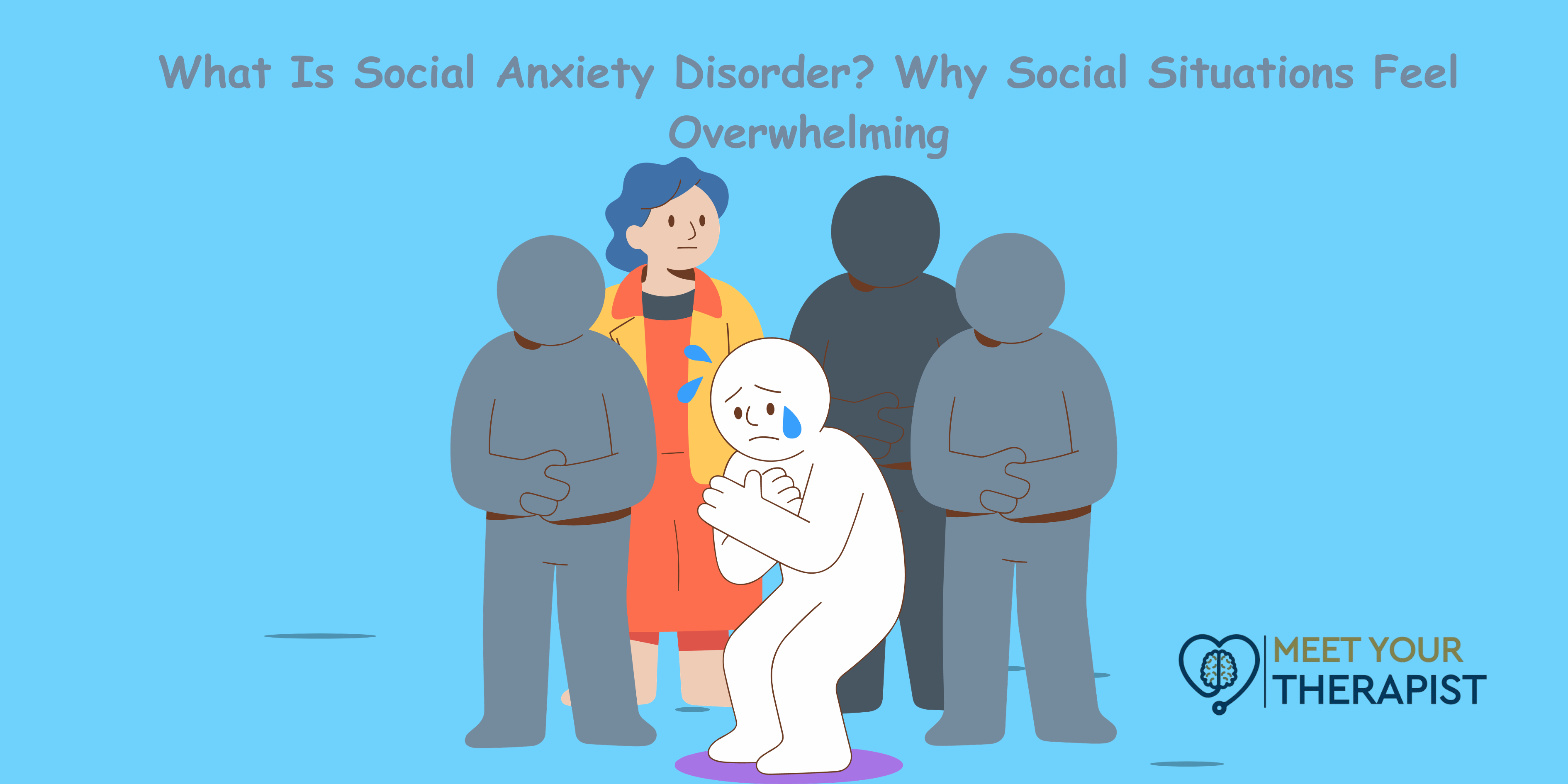
55.What Is Social Anxiety Disorder? Why Social Situations Feel Overwhelming
24td March, 2026 | By: Soumya Singh
Do you ever feel extremely nervous before speaking in a group, meeting new people, or even making small talk? For some people, this nervousness goes beyond normal shyness and becomes deeply overwhelming.
Sometimes, social expectations – from family gatherings to workplace interactions – can sometimes make these situations feel even more intense. People are often expected to be confident, outgoing, and socially comfortable, which can add pressure for those who struggle internally.
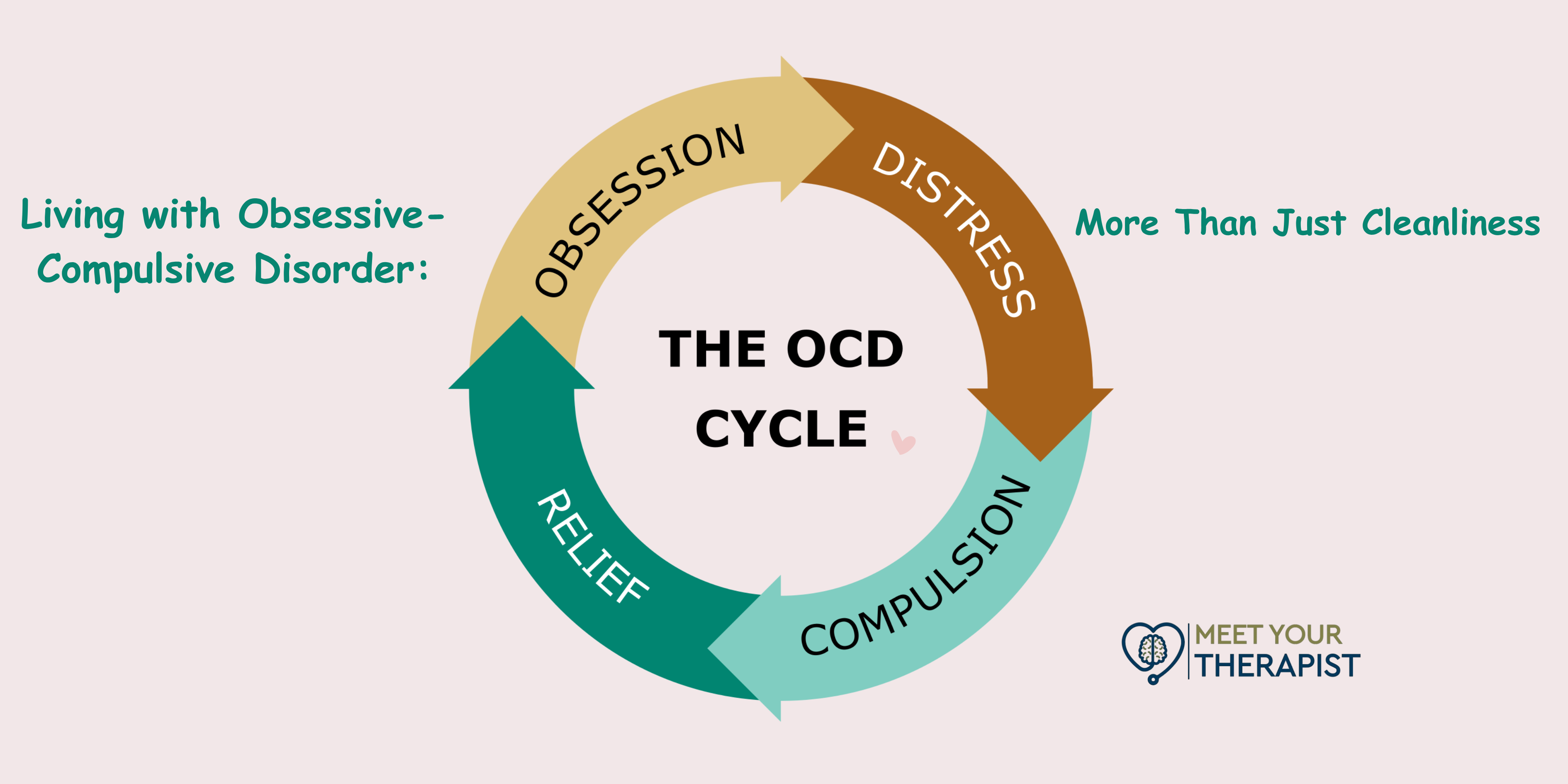
54.Living with Obsessive-Compulsive Disorder: More Than Just Cleanliness
23rd March, 2026 | By: Sagarika UK
“Everyone is a little OCD.”
It’s usually said lightly. Sometimes even affectionately. As a way of saying someone likes things a certain way : organized, clean, particular. And if you’ve heard that while quietly struggling with something that feels nothing like that, it doesn't land well.
Because what you’re dealing with doesn’t feel like a preference.It feels like something you can’t quite step out of.
53.Can Therapy Help Erectile Dysfunction? A Psychologist Explains
22rd March, 2026 | By: Veola Noronha
Erectile dysfunction (ED) is one of those topics that exists everywhere and nowhere at the same time. Everyone’s heard of it, plenty of people experience it, but very few talk about it in ways that are actually helpful.
Most conversations jump straight to medication or physical causes. While those matter, they’re only part of the story. Pleasure and its physical responses don’t exist in isolation. They happen within the context of your thoughts, stress levels, emotional state, and the dynamics of your relationships, expectations, and sometimes, anxiety that just shows up at the worst possible moment.
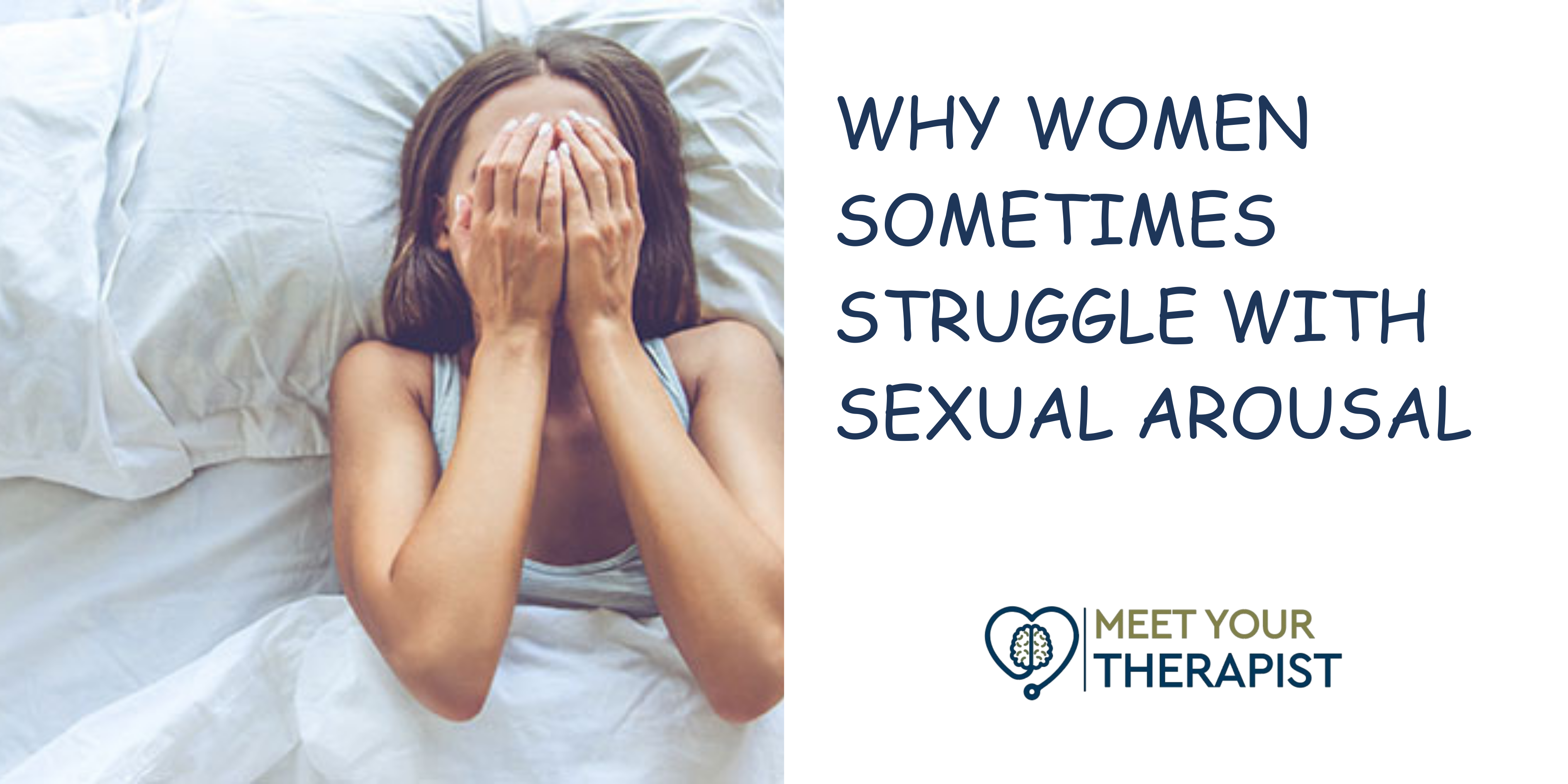
52.Why Women Sometimes Struggle With Sexual Arousal
19th March, 2026 | By: Sagarika UK
One of the more common questions women quietly bring up in therapy sounds something like this: “Why does sexual arousal feel so unpredictable for me?”
You may care deeply about your partner. You may want closeness and intimacy. But when the moment arrives, your body doesn’t always respond the way you expected. Arousal might take longer to appear, feel inconsistent, or sometimes not happen at all. For many women, this experience can feel confusing and even distressing. It’s easy to wonder whether something is wrong with the relationship, with your attraction, or with your body.
51.Impact of Pornography on Erectile Dysfunction
18th March, 2026 | By: Saashrika G
Erectile Dysfunction (ED) is commonly associated with aging or physical health conditions. However, in recent years, clinicians have reported an increase in erectile difficulties among younger individuals who do not present clear medical causes. This trend has prompted researchers and mental health professionals to explore whether pornography consumption may play a role in sexual functioning (Park et al., 2016; Grubbs & Gola, 2019).
With the widespread availability of online pornography, exposure to highly stimulating sexual content has become more common than ever. While pornography itself is not inherently harmful, some studies suggest that frequent or compulsive consumption may influence sexual expectations, arousal patterns, and performance (Wéry & Billieux, 2017; Dwulit & Rzymski, 2019)
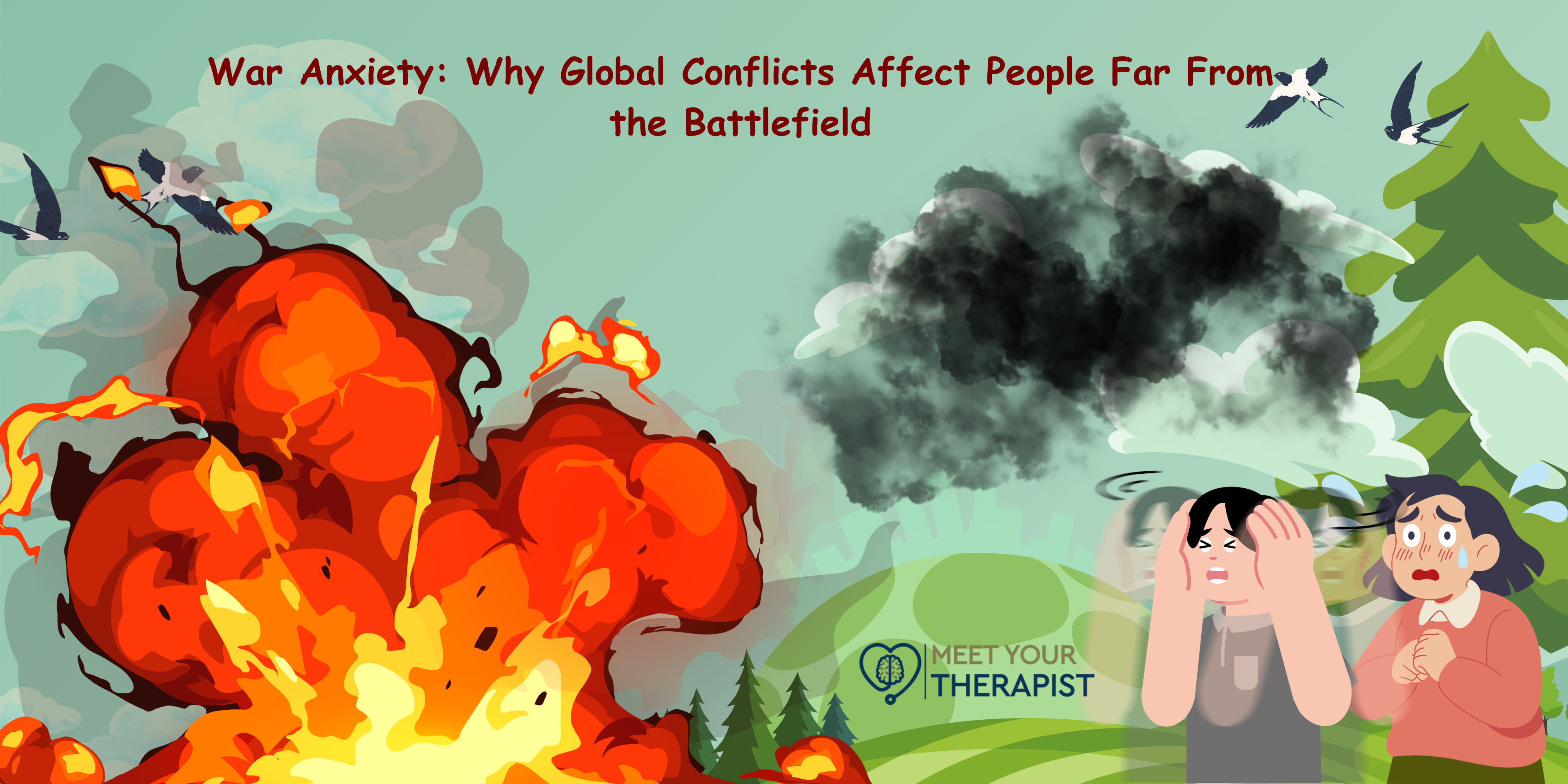
50.War Anxiety: Why Global Conflicts Affect People Far From the Battlefield
17th March, 2026 | By: Soumya Singh
When news about war appears on television or spreads rapidly on social media, many people feel a sudden sense of uneasiness. Even if the conflict is happening thousands of kilometers away, it can still feel emotionally close.
For many Indians, global conflicts often trigger worries about safety, economic stability, and the future. Continuous news coverage, disturbing images, and intense online discussions can make people feel anxious, restless, or overwhelmed.
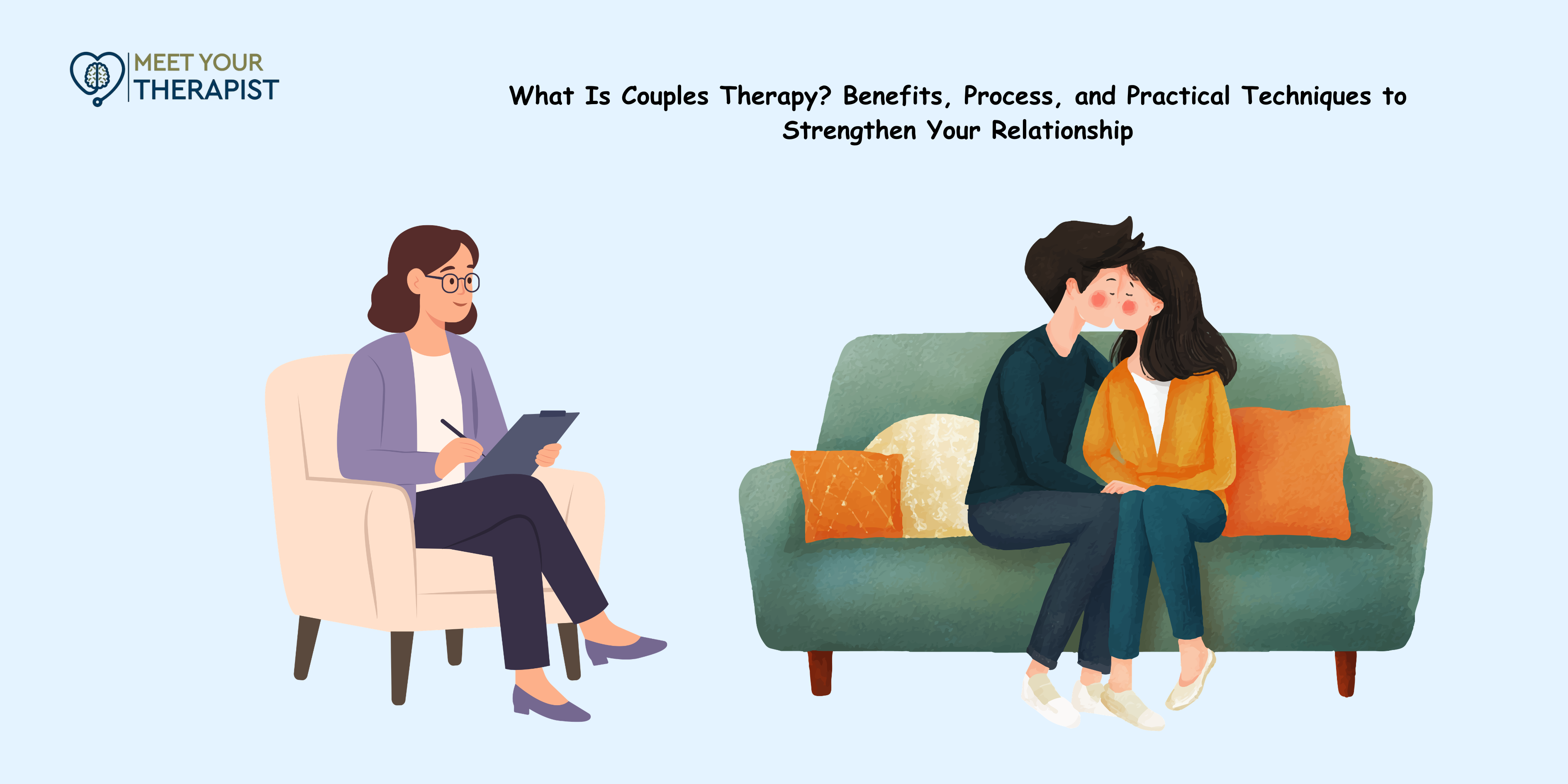
49.What Is Couples Therapy? Benefits, Process, and Practical Techniques to Strengthen Your Relationship
15th March, 2026 | By: Arushika Srivastava
Have you ever heard statements like “You make my life difficult,” “I cannot stay with you,” or “You are so toxic that I cannot handle things anymore?” Maybe you have also heard, “Why do you always act like that? Can’t you improve yourself a little bit?”
When such words are repeated in a relationship, they can feel deeply painful. Each time you hear them, your heart sinks, emotions begin to overwhelm you, and what was once a space of love and comfort starts to feel heavy and exhausting. Instead of feeling understood, partners often begin to feel criticized, blamed, or emotionally distant.
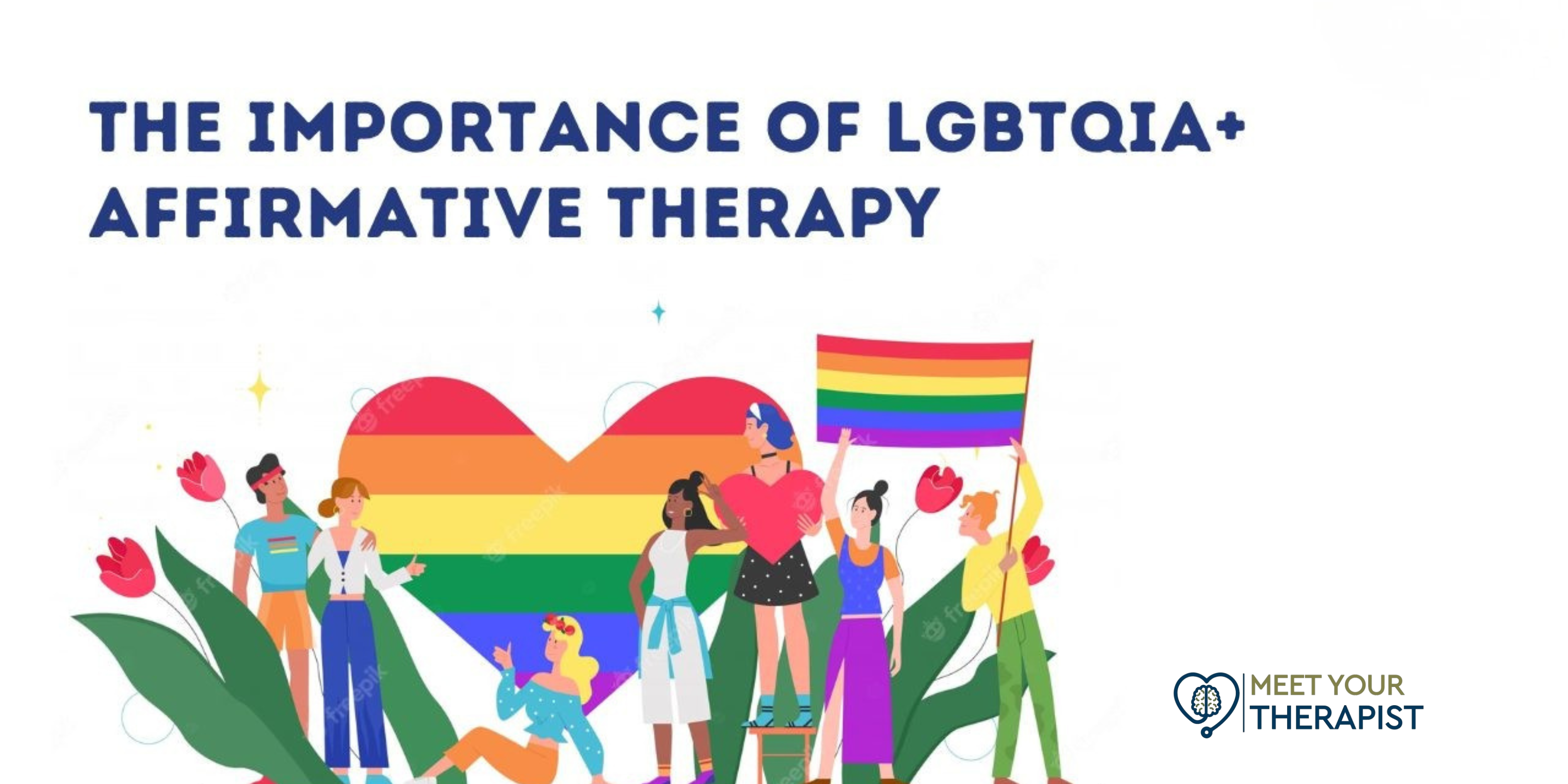
48.Affirmative Therapy: What it means and Why LGBTQ+ Clients Need It
14th March, 2026 | By: Saashrika G
Mental health care is often described as a space where people can show up exactly as they are, without fear of judgment, shame, or misunderstanding. But in reality, this experience is not always the same for everyone. For many individuals in the LGBTQ+ community, entering a therapy room can come with its own set of worries: Will my therapist understand my identity? Will I have to explain or justify who I am? Will I be accepted here?
These concerns are not groundless. Many queer individuals have historically encountered stigma, discrimination, or subtle invalidation in different parts of society, including healthcare and mental health settings. When therapy is meant to be a place of safety, even small moments of misunderstanding can make it difficult for clients to feel truly seen or supported.
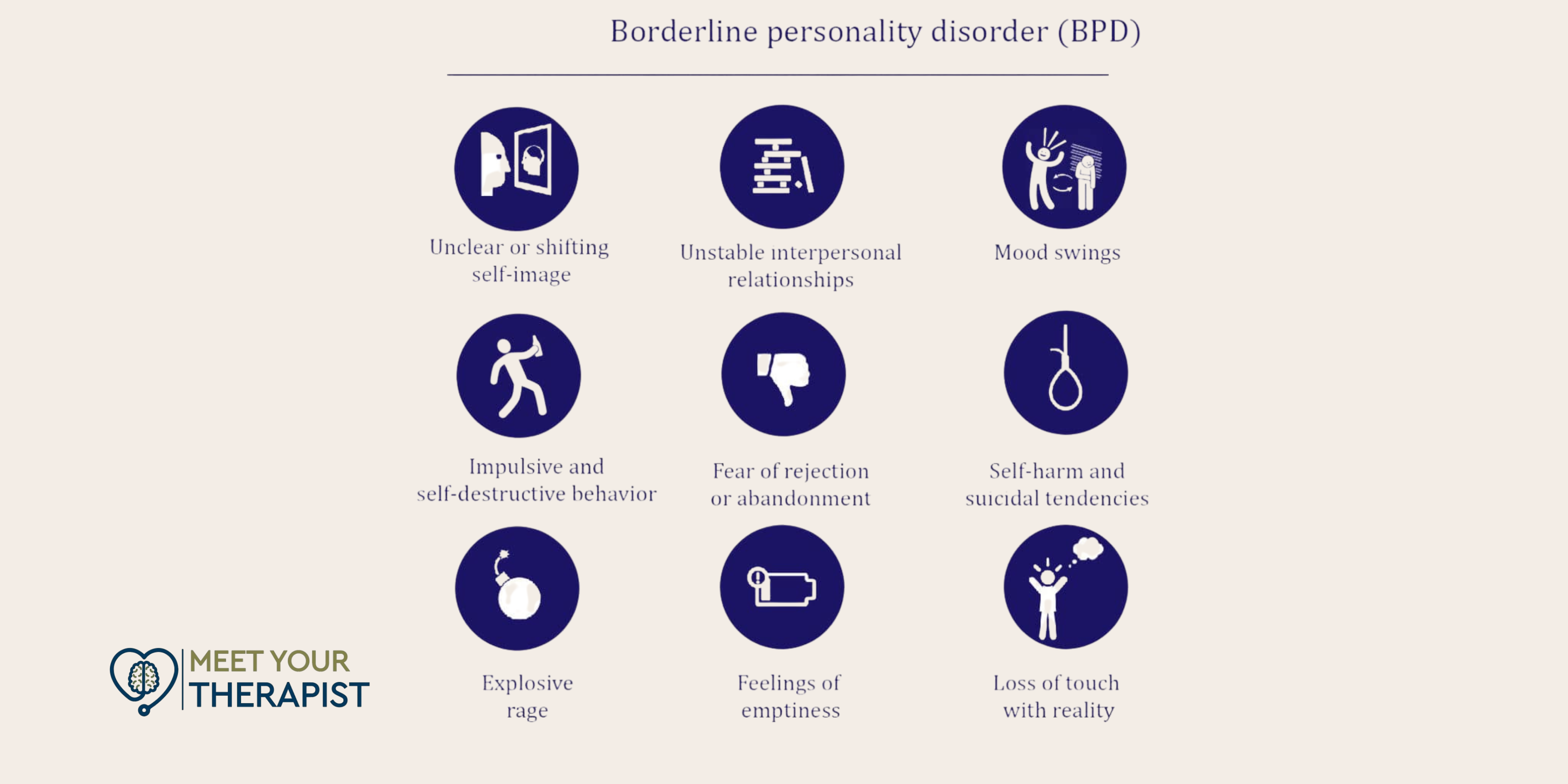
47.Borderline Personality Disorder and Emotional Regulation: Why Feelings Can Feel So Intense
12th March, 2026 | By: Sagarika UK
Some emotions move through us quietly; a disappointment at work, a small disagreement with a friend, a moment of embarrassment they may feel uncomfortable for a while, but eventually the feeling settles. The body calms down, thoughts become clearer, and the emotional intensity fades.
But for some people, emotions do not behave this way. A small misunderstanding can feel overwhelming. A perceived rejection can trigger a sudden wave of anger, panic, sadness, or shame. The emotional reaction can feel immediate and powerful, and once it begins, it can be very difficult to bring it down. Even when the situation itself passes, the emotional storm may continue.
46.Coming Out and Mental Health: The Emotional Journey No One Talks About
10th March, 2026 | By: Veola Noronha
Coming out is often thought of as one big moment- a defining confession or dramatic reveal. But it rarely is that way.
For many LGBTQ+ people, coming out unfolds over years. It includes curiosity, confusion, relief, fear, and the constant question: Who can I trust with this part of myself?
In India, this journey can feel especially complicated. Conversations around sexuality and gender identity are becoming more visible, but stigma and misunderstanding still exist in many homes, schools, and workplaces.
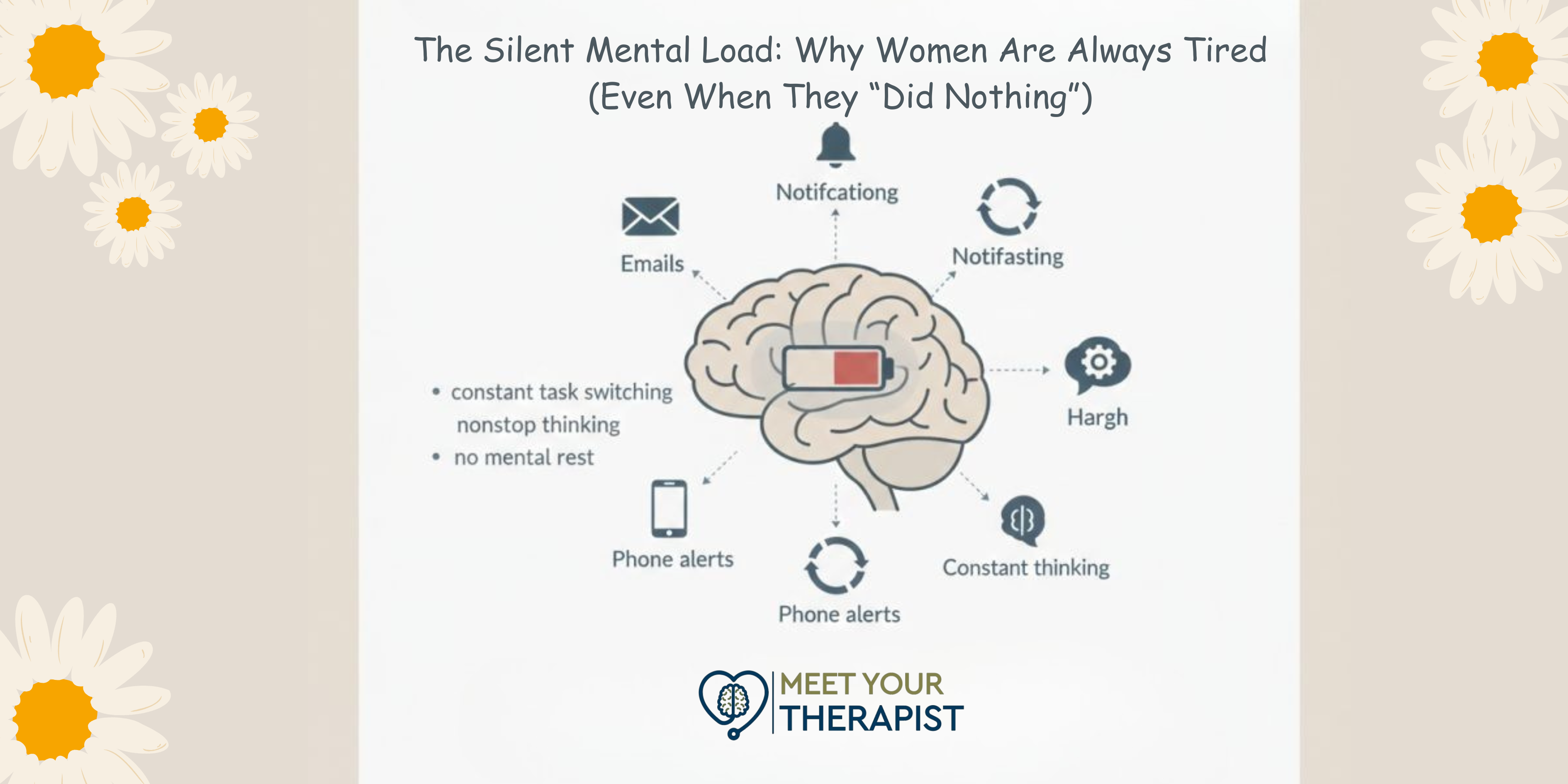
45.The Silent Mental Load: Why Women Are Always Tired Even When They “Did Nothing"
08th March, 2026 | By: Sagarika UK
There is a particular kind of exhaustion that is difficult to explain. It’s the kind that appears at the end of a seemingly ordinary day. Nothing dramatic happened. There was no physical labour, no marathon meeting schedule, no visible crisis. And yet, by evening, your body feels heavy, your mind feels cluttered, and rest doesn’t quite restore you.
When someone casually asks, “What did you do today?” the answer feels strangely inadequate. Because much of what you did cannot be easily listed. You remembered things; you anticipated things; you managed emotions and you kept track of invisible responsibilities
44.The Guilt Trap: Why Women Feel Guilty for Resting
06th March, 2026 | By: Soumya Singh
Have you ever taken a break and immediately felt guilty about it? Many women report feeling uneasy when they rest – even when they are exhausted. Thoughts like “I should be doing something productive,” or “Everyone else is working harder than me” often appear the moment they try to slow down.
This experience is not simply about time management or productivity. It is deeply connected to how women are socialized to prioritize others’ needs over their own. From a young age, many girls are subtly taught to be helpful, accommodating, and self-sacrificing. Over time, this conditioning can create an internal rule: “My needs come last.”
43.Hormones and Mental Health: Why Women’s Emotions are Not “Overreactions”
03rd March, 2026 | By: Saashrika G
Most of the Women are tired of hearing “Are you just hormonal?”, “ Why are you PMS ing so much? Why is your mood swings so much? But what exactly is happening? Has anyone ever tried thinking what exactly is happening to them, their rain, their mood, and why, in a certain way they react?
Women’s emotions are most often dismissed through everyday language and cultural stereotypes, which label them as “too sensitive”, “dramatic”, or simply “hormonal”. Emotional responses by women are often minimized and attributed to moodiness, rather than exploring the context or underlying stressors. This dismissal of their feelings leads to feelings of guilt, questioning their own experiences, delaying seeking help, and feeling misunderstood in both personal and professional lives.
42. Morning Panic Before Exams: 5 Evidence-Based Techniques That Work in 10 Minutes
28th February, 2026 | By: Sagarika UK
You wake up before an exam, and your body is already ahead of you.
Your heart is racing before you’ve even checked the time. Your chest feels tight. Your stomach is unsettled. Thoughts begin forming almost instantly: What if I blank out? What if I studied the wrong things? What if I fail?.
41. What to Say to a Child Before an Exam And What Not to Say?
26th February, 2026 | By: Veola Noronha
Exams are some of the worst memories many of us carry from childhood. Some of us still wake up in a cold sweat from dreams where we missed a paper or forgot everything the second we opened the question sheet. The body remembers that kind of panic long after school ends
Now imagine being the child who is still living it.
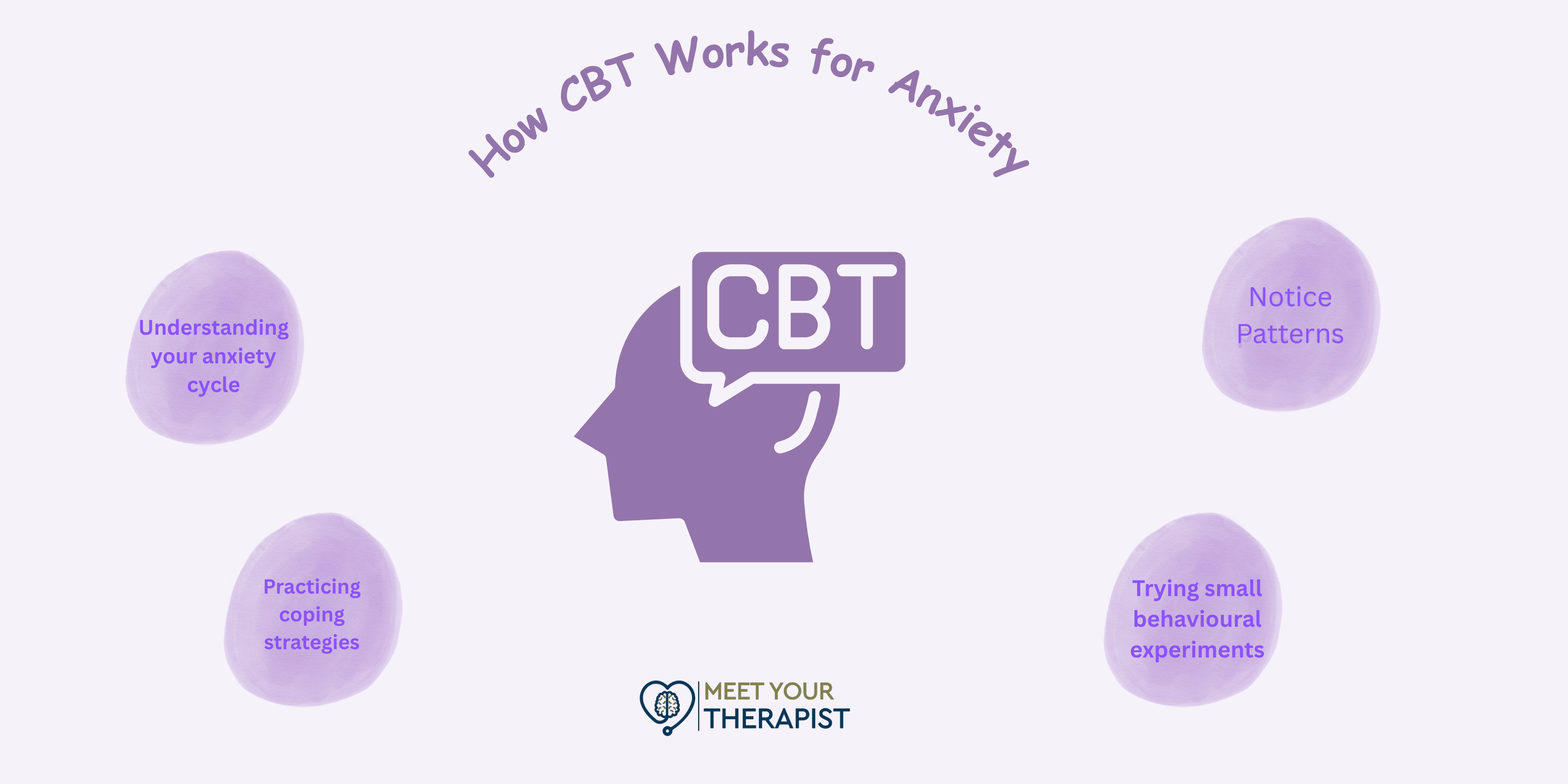
40. How CBT Works for Anxiety: What It Is, What Happens in Therapy, and Does It Really Help?
25th February, 2026 | By: Soumya Singh
If you struggle with anxiety, you’ve probably wondered: What therapy actually works for this? One of the most searched and recommended treatments is Cognitive Behavioural Therapy (CBT). Major mental health authorities such as the American Psychological Association and the World Health Organization recognize it as an evidence-based therapy. But many people still feel unsure about it because they don’t know what happens in sessions, how it works, or whether it’s right for them.
Anxiety can feel confusing and overwhelming, especially when your thoughts, body, and emotions all react at once. The good news is that CBT is designed specifically to help you understand and manage those reactions in a structured, practical way. It’s not about “just thinking positive” – it’s about learning how your mind works and changing patterns that keep anxiety going
39. Hormonal Anxiety: PMS, PCOS & Mood Changes
24th February, 2026 | By: Shreya N Bharadwaj
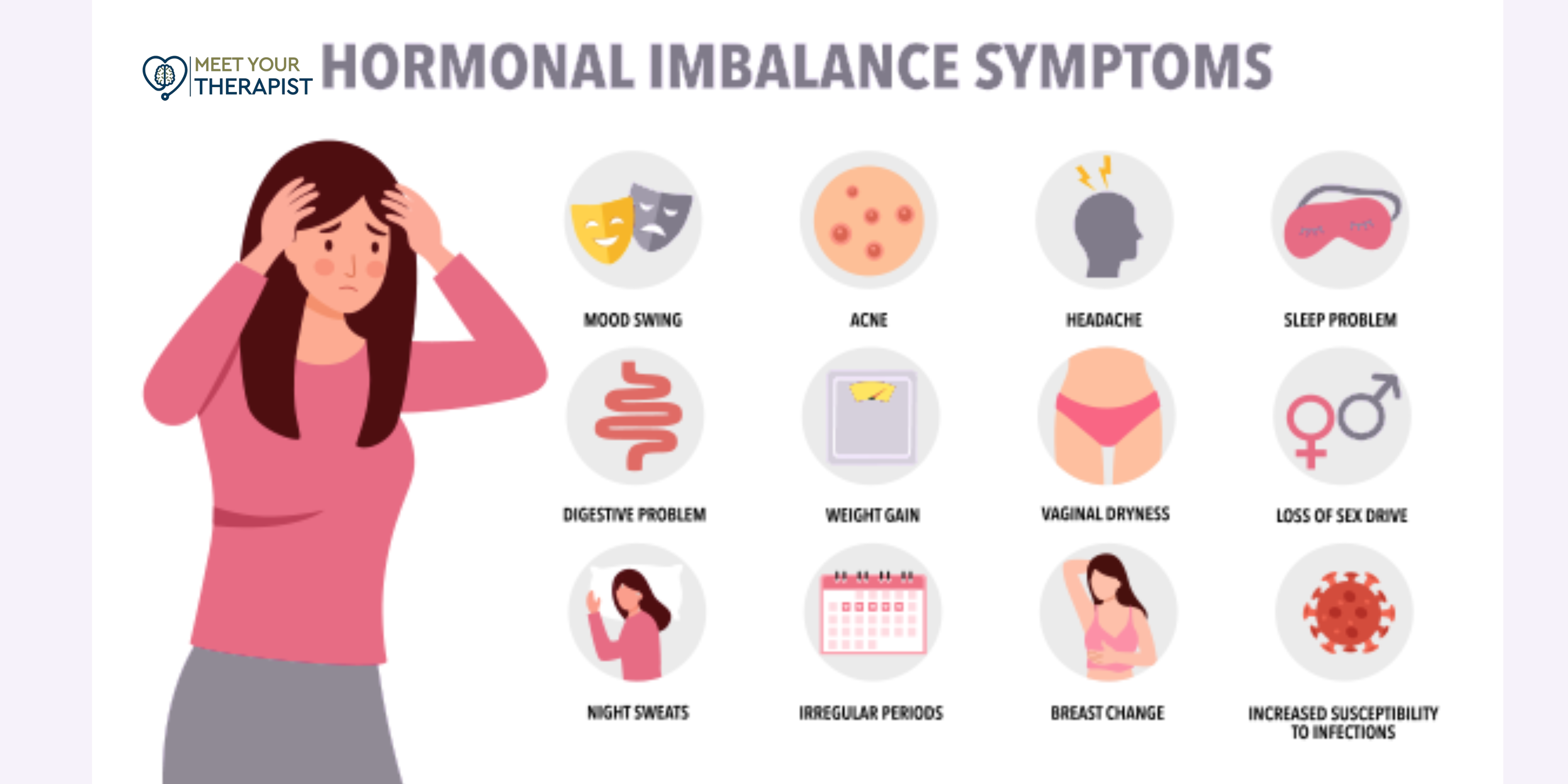
Have you ever felt suddenly overwhelmed, irritable, teary, or unusually anxious and then a few days later realised your period was about to begin? Or noticed that your mood shifts feel cyclical, almost predictable, yet completely out of your control?
For many women and menstruating individuals, anxiety isn’t just psychological. It’s hormonal. And yet, hormonal anxiety is often dismissed as “mood swings,” “overreacting,” or simply “that time of the month.” But what if those emotional shifts are not a personality flaw, but a biological rhythm?
38. Exposure Therapy: Facing Fear Safely
21st February, 2026 | By: Shreya N Bharadwaj
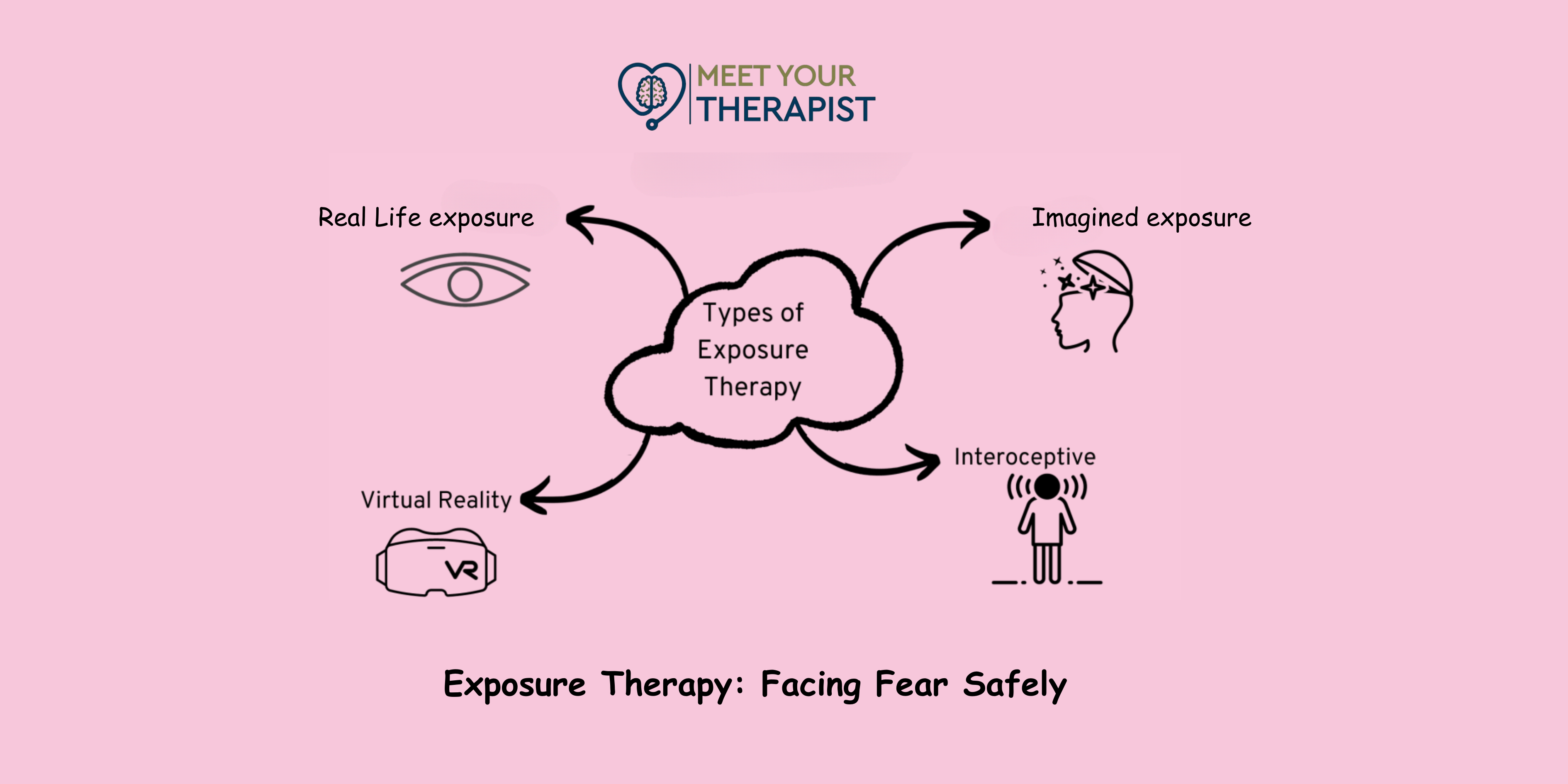
Remember the last time you avoided something because it made you anxious? Maybe it was a crowded room. A phone call. A difficult conversation. A hospital corridor. A stage. A memory. Avoidance feels relieving in the moment. Your heart slows down. The tension drops. You feel safe again.
37. Morning Anxiety: Why It Happens and How to Manage It
20th February, 2026 | By: Soumya Singh
Do you ever wake up feeling tense, uneasy, or already overwhelmed before your day has even begun? Morning anxiety is a surprisingly common experience, yet many people feel confused or discouraged when it happens. Mornings are often portrayed as calm, productive, and refreshing – so when anxiety shows up instead, it can feel like something is wrong with you.
36. ADHD and Anxiety: Are They Connected?
17th February, 2026 | By: Sagarika UK
Attention Deficit Hyperactivity Disorder (ADHD) and Anxiety disorders might seem completely different at first thought. One is a developmental disorder while the other is a mood disorder. But the presentation of the symptoms overlap, loop and interact in complex ways. 2.5% of adults have ADHD and 65-90% of them are also afflicted by co-morbidities (disorders occurring at the same time) and that co-morbidity is often Anxiety disorders.
Page 2>>